
Cézanne's Paris: In Search of the Father of Modern Art
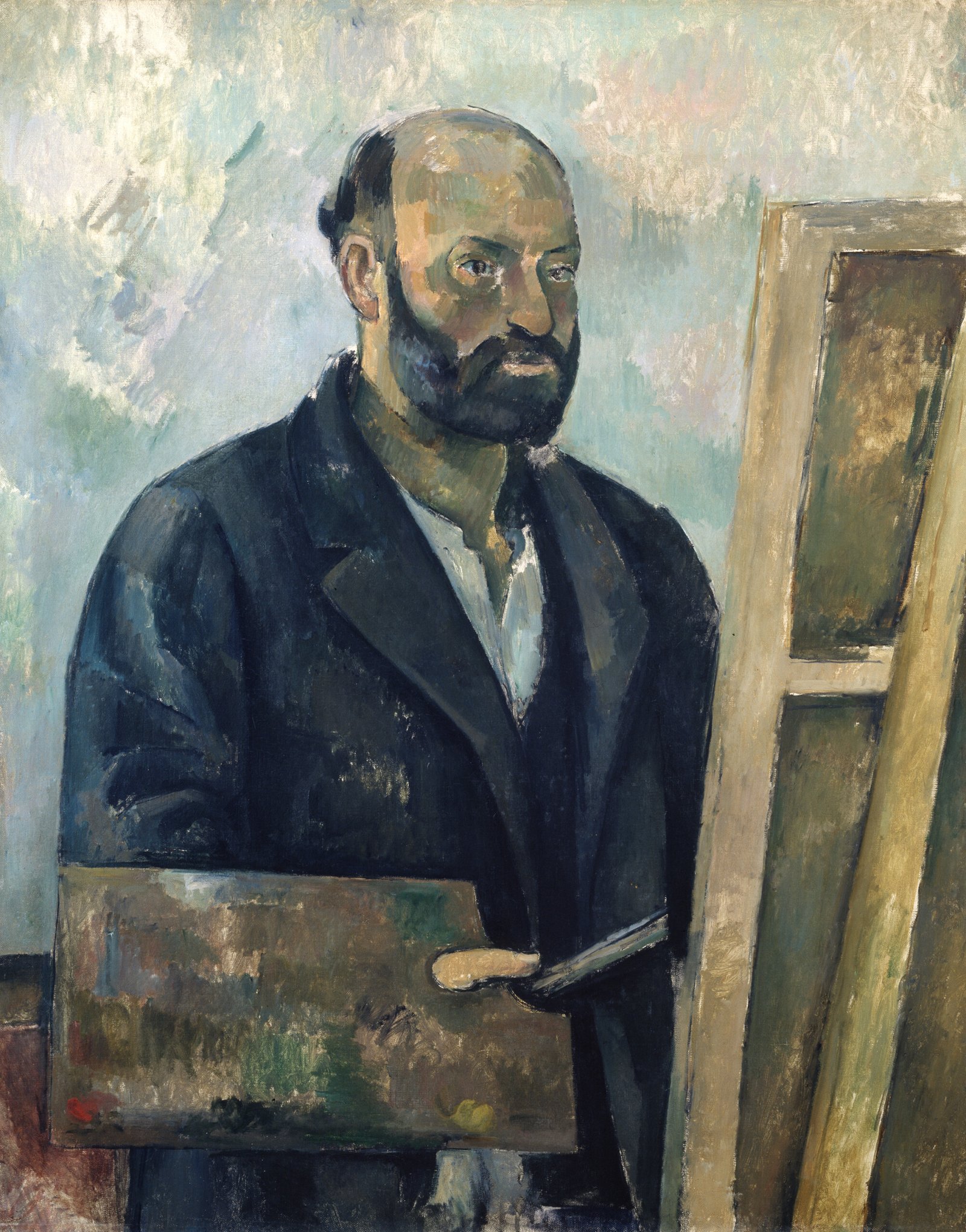
Claude Monet called him “the greatest of us all.” Yet Paul Cézanne — the painter his own peers considered the true father of modern art — remains one of the most overlooked figures in the story of Impressionism, overshadowed in popular memory by the very artists who revered him most.
His story in Paris begins with a friendship, not a painting. As schoolboys in Aix-en-Provence, Cézanne stood up for a smaller, poorer classmate being bullied in the schoolyard — a Parisian transplant named Émile Zola, mocked for his accent and his poverty. The next day, Zola thanked him with a basket of apples. Decades later, apples would become one of the defining motifs of Cézanne’s entire body of work — a small, unproven mystery worth wondering about as you walk.
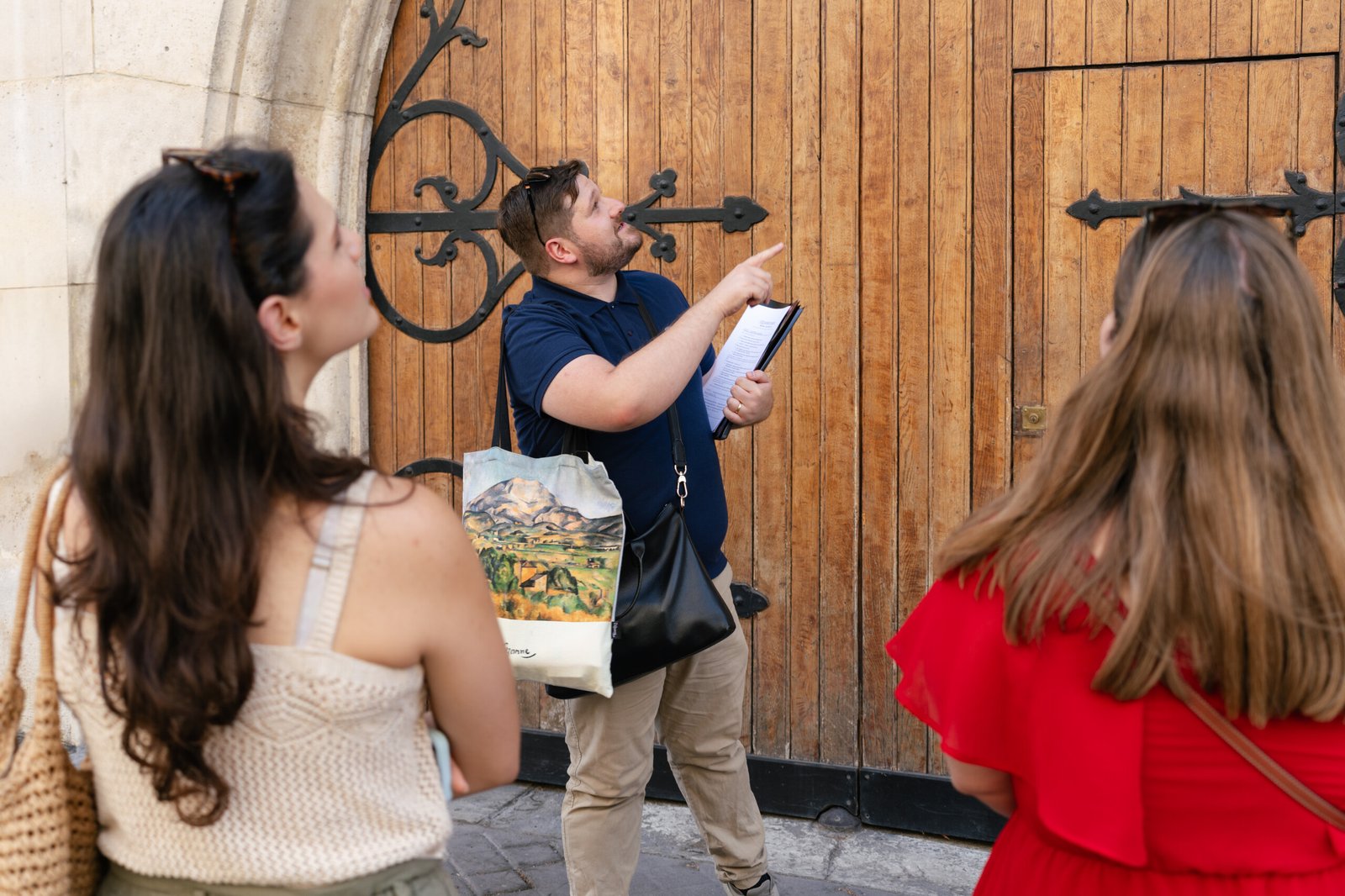
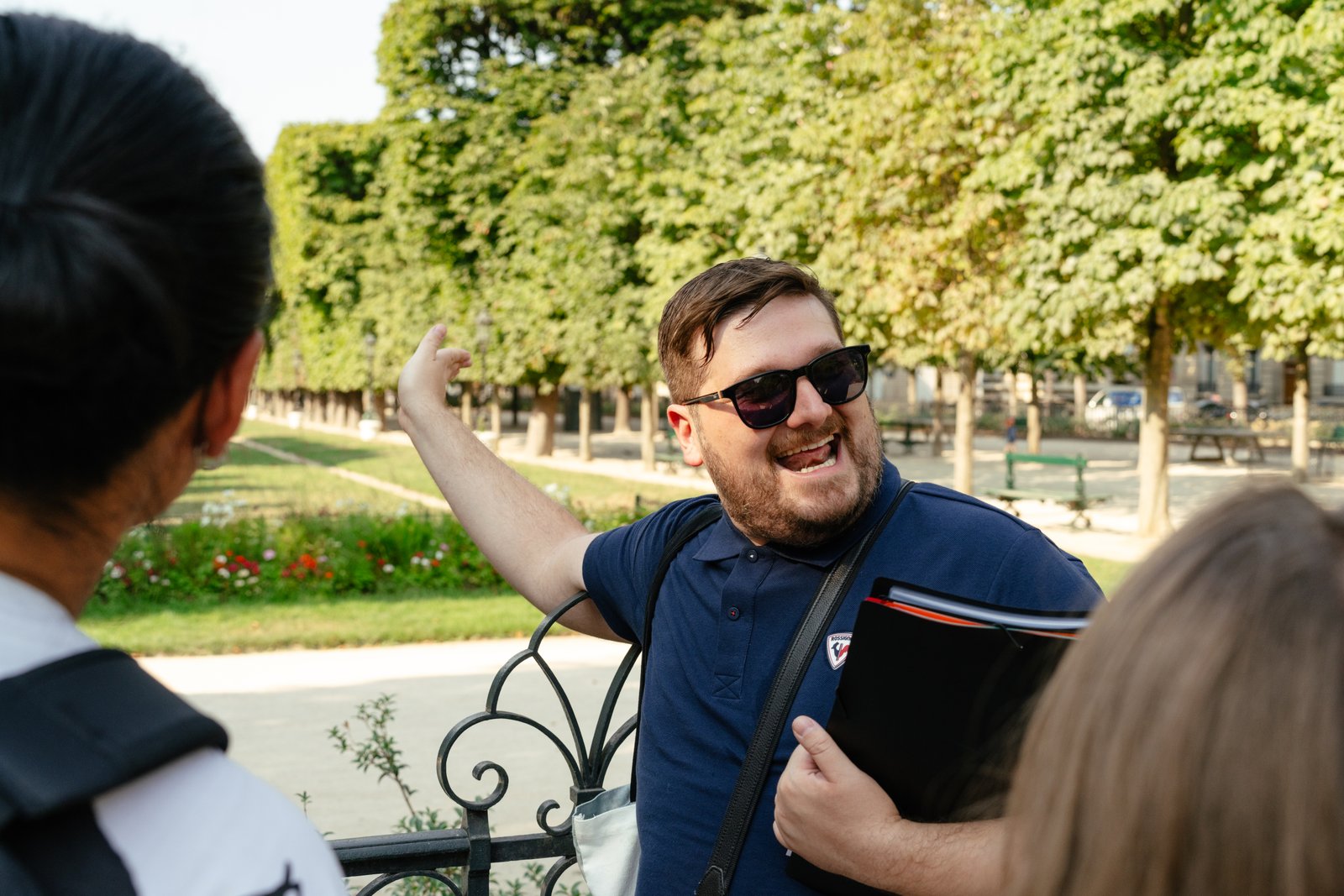
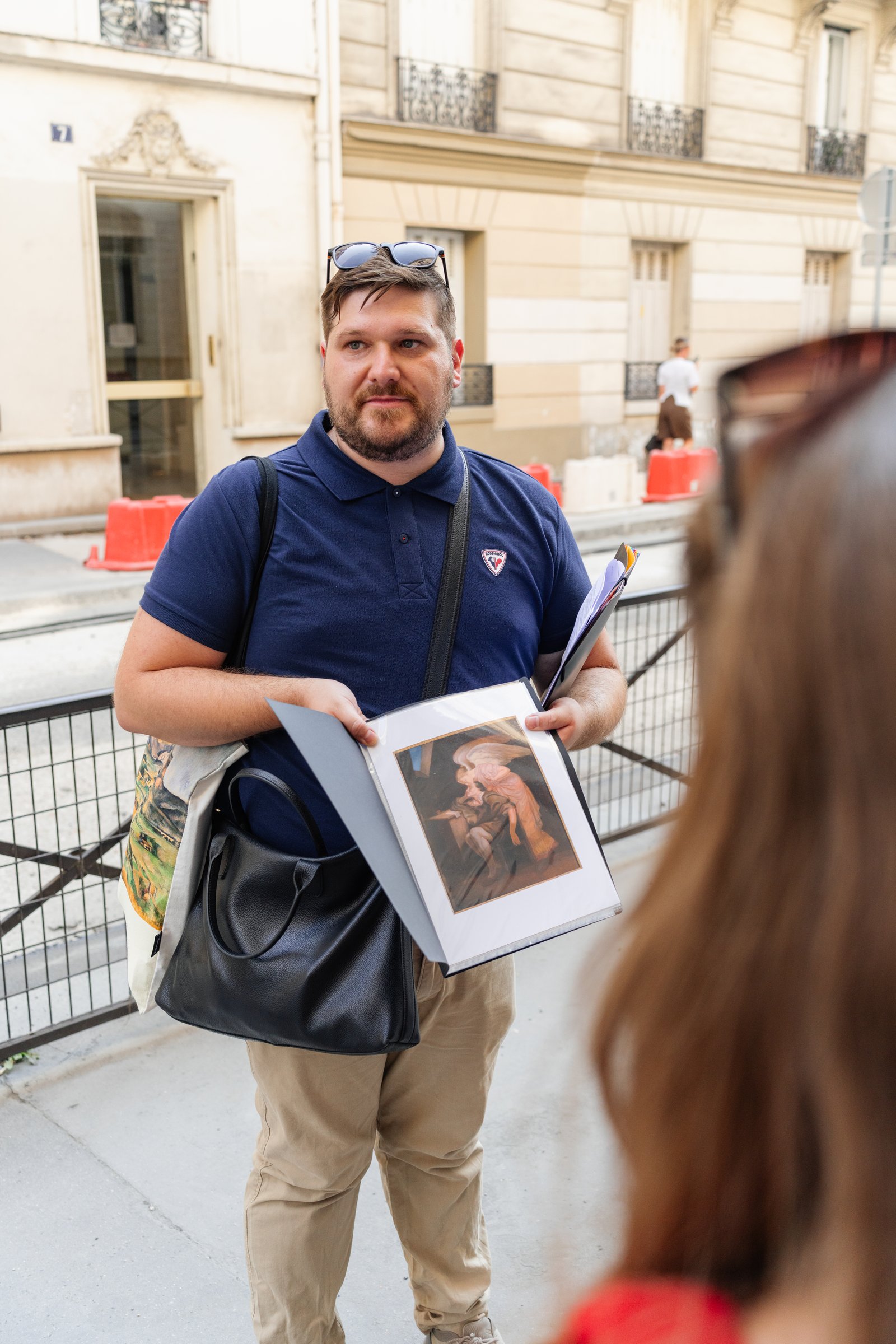
It was Zola who made it to Paris first, and Zola who wrote to convince his old friend to follow — promising him access to the Louvre, to the masters, to a life worth building. This private walking tour traces the Paris that letter led Cézanne into, and the decades-long, deeply ambivalent relationship with the city that followed. Departing from the Luxembourg Gardens, your guide leads you through the real addresses, letters, and silences behind the man — from the disciplined grind of the Académie Suisse, to a summer where the historical record simply goes quiet, to the public humiliation of a Salon rejection that would have ended a lesser painter’s career entirely.
Along the way, you’ll hear Cézanne’s own words, read directly from his letters — including one written just after his first arrival in Paris, in which a homesick young Cézanne insists he’ll never “become Parisian,” even as his own language betrays just how astounded the city had already left him.
What emerges isn’t the serene master reproduced on museum walls and postcards. It’s someone uncertain, sometimes devastated, who kept working anyway — sustained, in part, by the childhood friend who believed in him from the very start — and who, decades later, earned the singular respect of the very artists who redefined modern painting. Today his work hangs permanently at the Musée d’Orsay, a museum built, fittingly, inside a train station that didn’t even exist until after Cézanne’s last documented visit to Paris.
This is not the Cézanne of art history textbooks. It’s the Cézanne that Zola believed in before anyone else did — and that other painters, in turn, came to admire — told through the real streets of the Paris that made him.

Q&A
Pourquoi réserver cette visite sur les traces de Cézanne à Paris ?
Quel type d'explications seront délivrées durant la visite ?
Combien de temps dure la visite ?
Quel est le parcours de cette visite ?
De la nourriture ou des boissons sont-elles fournies durant cette visite ?
Puis-je privatiser cette visite sur Cézanne ?

“What an amazing source of ideas for tourists and photographers! I absolutely love this website where I can learn about the most exotic destinations and various tours! Well done guys, thank you!”